
Developing story La Habra, California
La Habra’s license plate readers: Who can see what they collect?
City Council records show what La Habra approved. They don’t tell us which cameras are operating today, how long the data is kept, or who actually searches it.
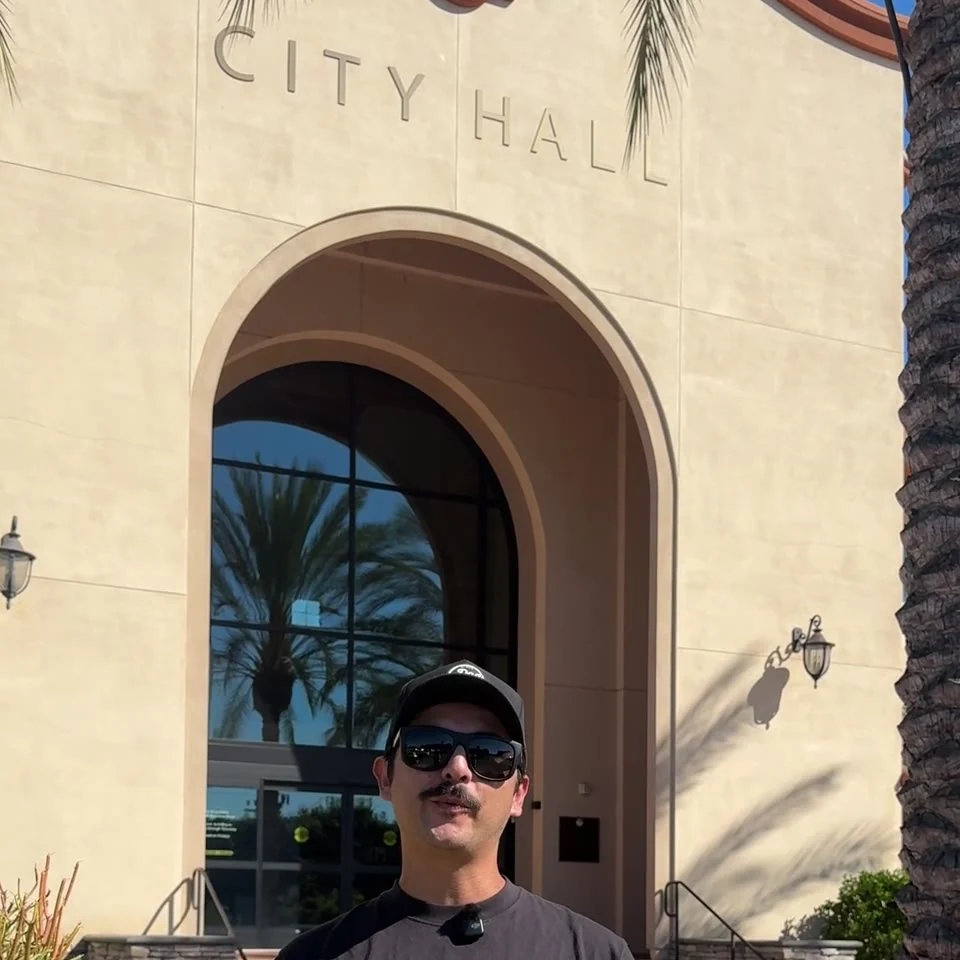
Automated license plate readers, or ALPRs, photograph passing vehicles and turn plate numbers into searchable records. Police can use them to look for stolen or wanted vehicles. The same systems can also collect records of vehicles that aren’t wanted. That raises three basic questions: How much does La Habra collect? How long does it keep the records? And who can pull them up?
What the City Council approved
The council authorized a $40,450 purchase order covering the lease, installation and maintenance of eight fixed Flock Safety plate readers. The item passed 5–0 as part of the consent calendar, a group of items voted on together. Council minutes, item 10
The council authorized a two-year lease for 15 additional fixed readers, also on a 5–0 consent vote. Council minutes, item 13
The council appropriated $107,500 for a separate Flock lease for pan-tilt-zoom cameras. We’re not counting that vote as an expansion of the fixed plate-reader network. Council minutes, item 9
These votes are not a current camera count. They show what the city authorized, not which devices were installed, which are still in service, or what the city ultimately paid.
What the policy says about the data
La Habra Police Department’s Policy 428 calls for regular audits and says plate-reader data downloaded to the department’s server should be kept for at least a year. That isn’t proof that Flock’s system keeps every scan for a year. The policy also describes how other agencies can request information. Those rules don’t show who has access today, which agencies actually searched, or when audits took place.

What we’re checking next
- Equipment and cost: What is actually in service, what did the city pay, and were the agreements renewed?
- Data and oversight: How long are records kept in each system? Who has permission to search, who actually searched, and what did the audits find?
- Camera features: Which features are switched on in La Habra? We’ll distinguish infrared lighting used to read plates at night from thermal imaging, and person detection from facial recognition. This reporting has not verified local use of thermal imaging or facial recognition.
- Results: What outcomes does the department attribute to the system, and how does it check for incorrect alerts?
Reporting status
This first update is based on council minutes and the police policy manual. Next we’ll look for signed agreements, invoices, current settings, search logs and audit records, and seek comment from the city and police department. We’ll date new findings here and link the documents behind them.
Have a document or a tip?
Send a public link or tell us which record to look for. Please don’t include plate numbers, private addresses, or confidential files in the form.
Send a tip to LLFT News